Will the Car Be Kept at Home During the Night
Yes, insurers want the address where your car is parked overnight, and it has to match your new home, not your old one.

A driver who kept the old address on file
Someone moved for a new job and set up a policy with the new insurer right away, but typed in their parents' old address out of habit because that's what their last policy had on file. The agent caught it during the quote call and asked directly where the car would be parked most nights.
Once they gave the real address, the quote changed. The new neighborhood had different rates than the old one, and the policy that got issued matched where the car actually sat overnight. When they filed a claim a few months later after a break-in, the claims adjuster checked the parking address against the police report location, and because they matched, there was no question raised about the policy being accurate.
What if I split time between two homes or addresses?
Tell your insurer the address where the car spends most nights. That's the one that counts for your policy, even if you sometimes stay somewhere else during the week.
If the split is close to even, call your insurer and explain the actual pattern. Some will ask for the address tied to your license or voter registration as a tiebreaker, others just want your best answer. Keep it consistent across your license, registration and insurance so nothing looks mismatched if you ever need to file a claim.
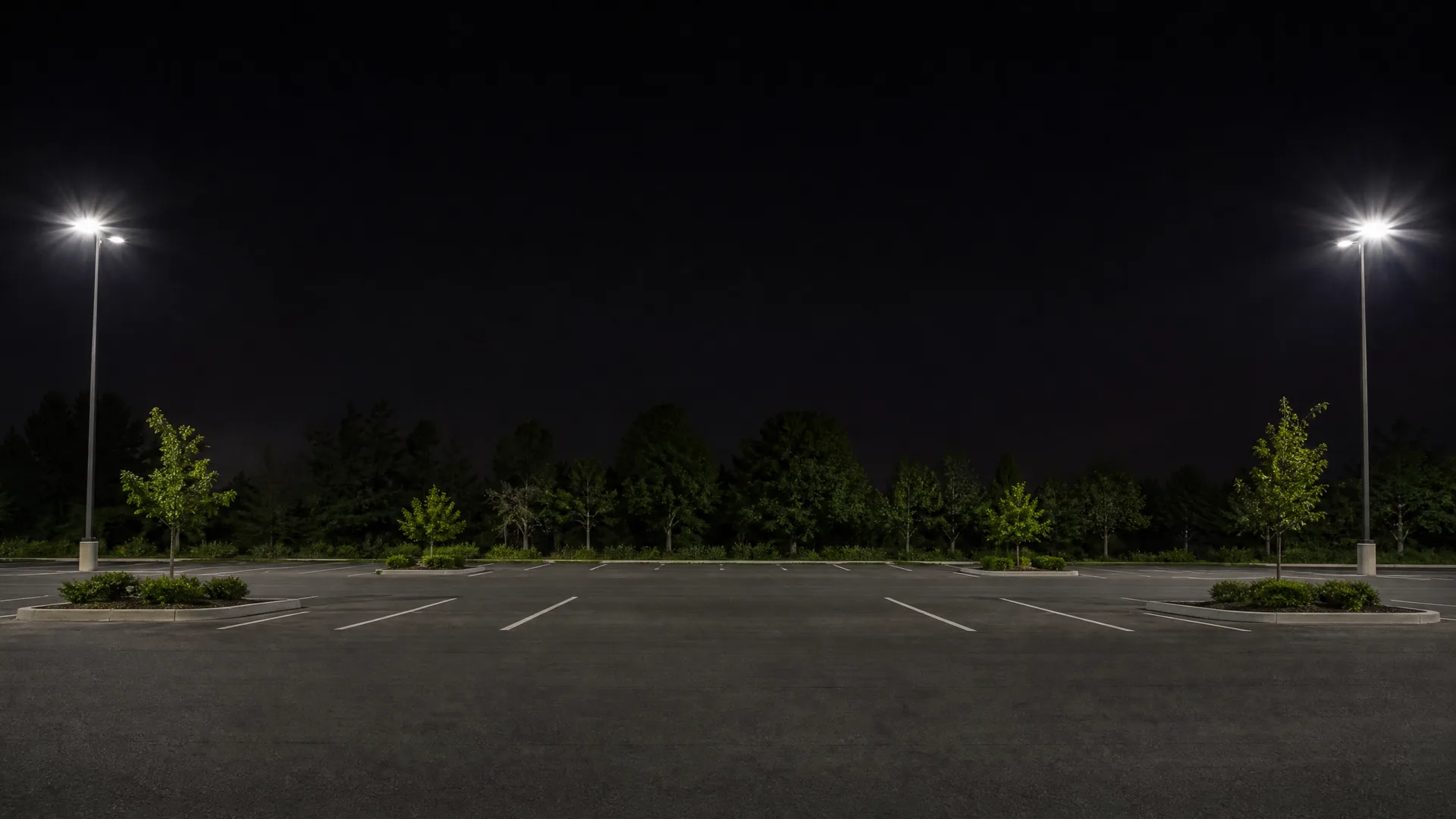
Give your real overnight address or guess and hope
If you do
You give the insurer the exact address where the car parks most nights. They price your policy correctly from day one, and if something happens to the car at home, there's no question about where it was supposed to be.
If you don't
You leave an old address on file or guess at a new one. Your rate may be wrong, and if you ever file a claim, the mismatch between your policy and reality can slow things down or raise questions you didn't need.
Once you know the address your car sleeps at, compare quotes using that exact address to get an accurate rate.
Why insurers care where your car spends the night
Insurers price risk based on where a car is most likely to be damaged, stolen or vandalized, and that's overwhelmingly at night, parked at home. A car that sleeps in a dense city block faces different odds than one parked in a quiet suburb or a rural driveway, so the overnight address is one of the strongest signals they use to set your rate.
This is why the address matters more than where you work or where you run errands during the day. Daytime driving spreads risk across many locations, but nighttime parking concentrates it in one place for hours at a stretch. That's the exposure insurers are actually pricing.
In most states this works the same way, but how heavily the address affects your rate can vary by state and by insurer, since each one weighs location data differently. Some will also ask whether the car parks in a garage, driveway or street, since that changes the risk even within the same address.
Where this gets more complicated is when you genuinely split nights between two places, or when you're staying somewhere temporary before settling into a permanent address. In those cases, give your insurer the most accurate answer you can and update it once your situation becomes fixed, so your policy keeps matching reality.
Does my rate change if I move the car to a garage instead of the street?
Yes, it can. Garaged cars face less exposure to theft, weather and traffic accidents than cars parked on the street, so insurers often price that difference. Check with your specific insurer since how much it matters varies. If you add covered parking after your policy starts, call and update it, since this is one of the few changes that can lower your rate without you having to switch insurers.
What happens if I tell my insurer the wrong parking address by mistake?
It can cause problems if you ever file a claim, since adjusters may check the claim location against your policy address. An honest mistake is usually fixable if you correct it quickly, but a mismatch left uncorrected can look like you misrepresented your risk. Call your insurer as soon as you notice the error and ask them to update your file, so your policy matches where the car actually stays.
Do I need to update my overnight address every time I travel or stay elsewhere?
No, short trips and temporary stays don't require an update. Insurers care about where your car routinely spends the night, not where it sits for a weekend trip or a short visit elsewhere. Update your address only when your regular overnight location actually changes for good, like after a permanent move, so your policy reflects your real pattern rather than every short-term variation.