Military Car Storage and Insurance While Overseas
Drop your car to stored-car coverage instead of canceling, so your policy never lapses while you're gone.
Handle these before you leave, in this order
- Call your insurer first Tell them you're deploying or moving overseas before you do anything else with the car. Ask specifically for a stored-car or comprehensive-only option instead of canceling.
- Keep comprehensive coverage Dropping liability but keeping comprehensive protects the car from fire, theft, weather and vandalism while it sits. This costs far less than full coverage but avoids the gap a full cancellation creates.
- Decide who starts the car A car sitting untouched for months can develop battery, tire and fluid problems. Line up a trusted person to start it periodically, and tell your insurer if someone else will be driving it occasionally.
- Check state registration rules Some states let military members keep a registration current without the vehicle being driven, others require a storage declaration. Call your state's motor vehicle agency before you leave, since the paperwork differs by state.
- Confirm home state protections Military orders usually let you keep your home state license and registration even while stationed elsewhere. Confirm this with your state, since the protection isn't automatic everywhere and some paperwork may be required.
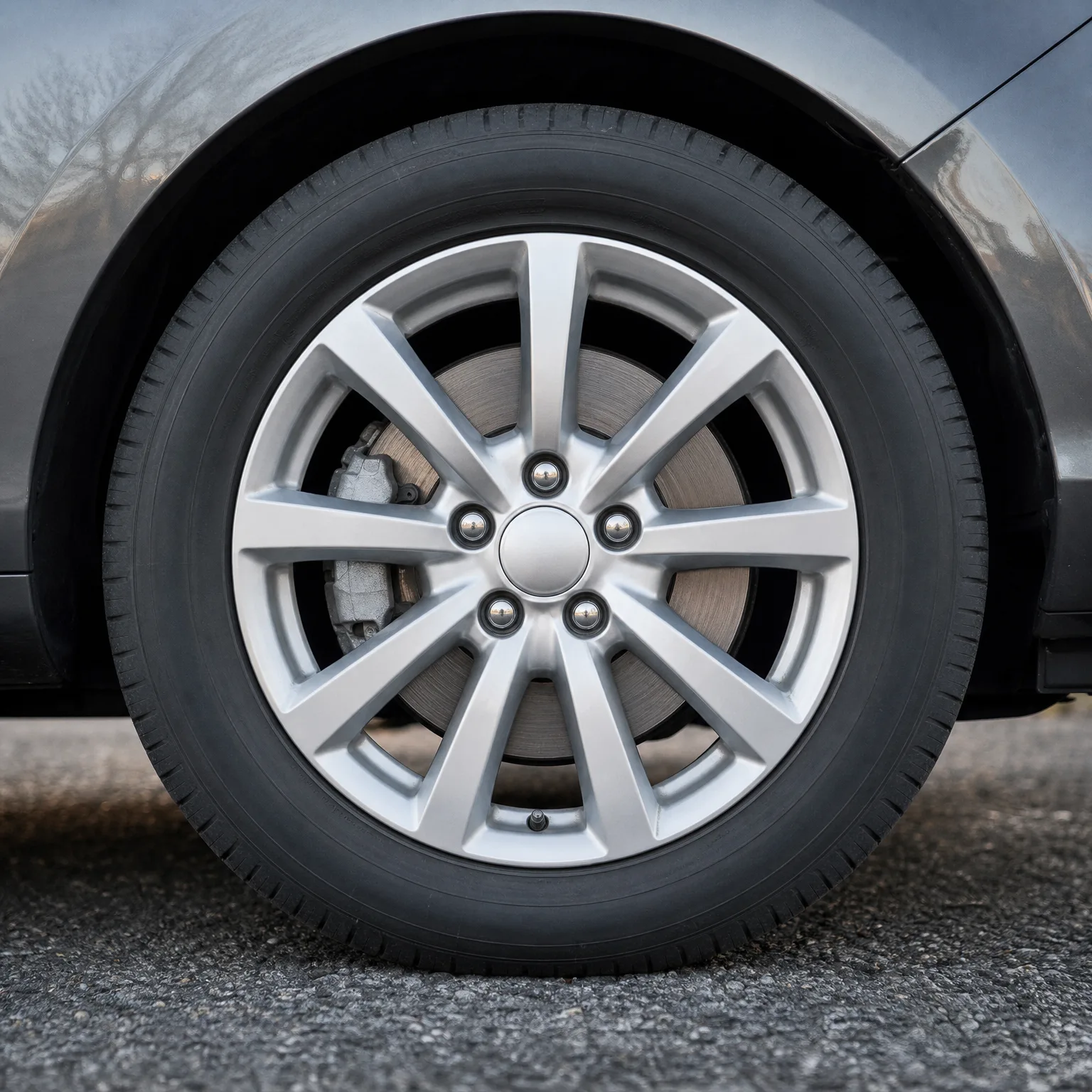
A sedan parked at a parent's house during a one-year deployment
A soldier received orders for a one-year overseas deployment and had a car sitting unused in a driveway. Instead of canceling the policy outright, they called their insurer and asked about options for a vehicle that wouldn't be driven. The insurer offered a comprehensive-only policy, which kept the car protected against theft, fire and weather damage without charging for the liability coverage the soldier didn't need while the car sat still.
They also asked a parent to start the car every few weeks and left a copy of the new policy with them in case anything happened. Before leaving, they confirmed with their state that their registration would stay valid as a military member stationed elsewhere, and that no extra paperwork was needed to avoid a lapse. When they returned, the car started without issue, the policy picked back up to full coverage with one call, and there was no gap anywhere in the record.

Once you know whether to store or fully insure your car, compare quotes for that exact coverage.

Calling your insurer before you deploy versus not
If you do
Your insurer sets up stored-car or comprehensive-only coverage, so the car stays protected against theft and damage at a lower cost. There's no lapse in your insurance history, and switching back to full coverage when you return takes one call.
If you don't
If you cancel outright or let the policy lapse, the car has no protection while you're gone and any claim history gap can raise future rates. Restarting coverage after a lapse may mean a new underwriting review and a higher starting rate than you had before.
Can I cancel my car insurance completely while deployed overseas?
You can, but it isn't usually the better move. Canceling removes all protection, so theft, fire, vandalism or weather damage to the stored car comes entirely out of your pocket. A lapse in coverage also shows up in your insurance history, and some insurers use that gap to justify a higher rate when you restart. Comprehensive-only or stored-car coverage usually costs little compared to full coverage, while keeping the car protected and your coverage history intact. Check with your insurer whether stored-car coverage is available before deciding to cancel entirely.
Does my state let me keep my registration if my car isn't being driven?
Most states allow it, but the process isn't the same everywhere. Some states have a specific non-operation or storage declaration you file, which can also reduce registration fees while the car sits unused. Others simply let military orders serve as justification for keeping a registration current without proof of use. Call your state's motor vehicle agency directly before you leave, since assuming the rule from one state applies in another can lead to a lapsed registration you don't find out about until you return.
What happens to my insurance if someone else drives my car while I'm overseas?
It depends on who's driving and how often, so tell your insurer about the arrangement. A policy written for a stored, undriven car may not cover regular use by a family member or friend, and a claim could be denied if the insurer finds out the car was being driven under a storage policy. If someone will start it occasionally for maintenance, say so specifically. If they'll drive it regularly, you likely need to keep standard coverage rather than a stored-car discount.
The car doesn't need full coverage while parked, it needs damage protection and a policy that never lapses.