Is Enclosed Car Transport Worth It
It's worth it when the car's value or condition makes damage expensive to fix, and not worth it for an ordinary daily driver.

What decides whether enclosed transport earns its cost
- What the car is worth A higher value car has more to lose from road debris or weather damage. Compare the cost difference against what repairs or lost value would actually run.
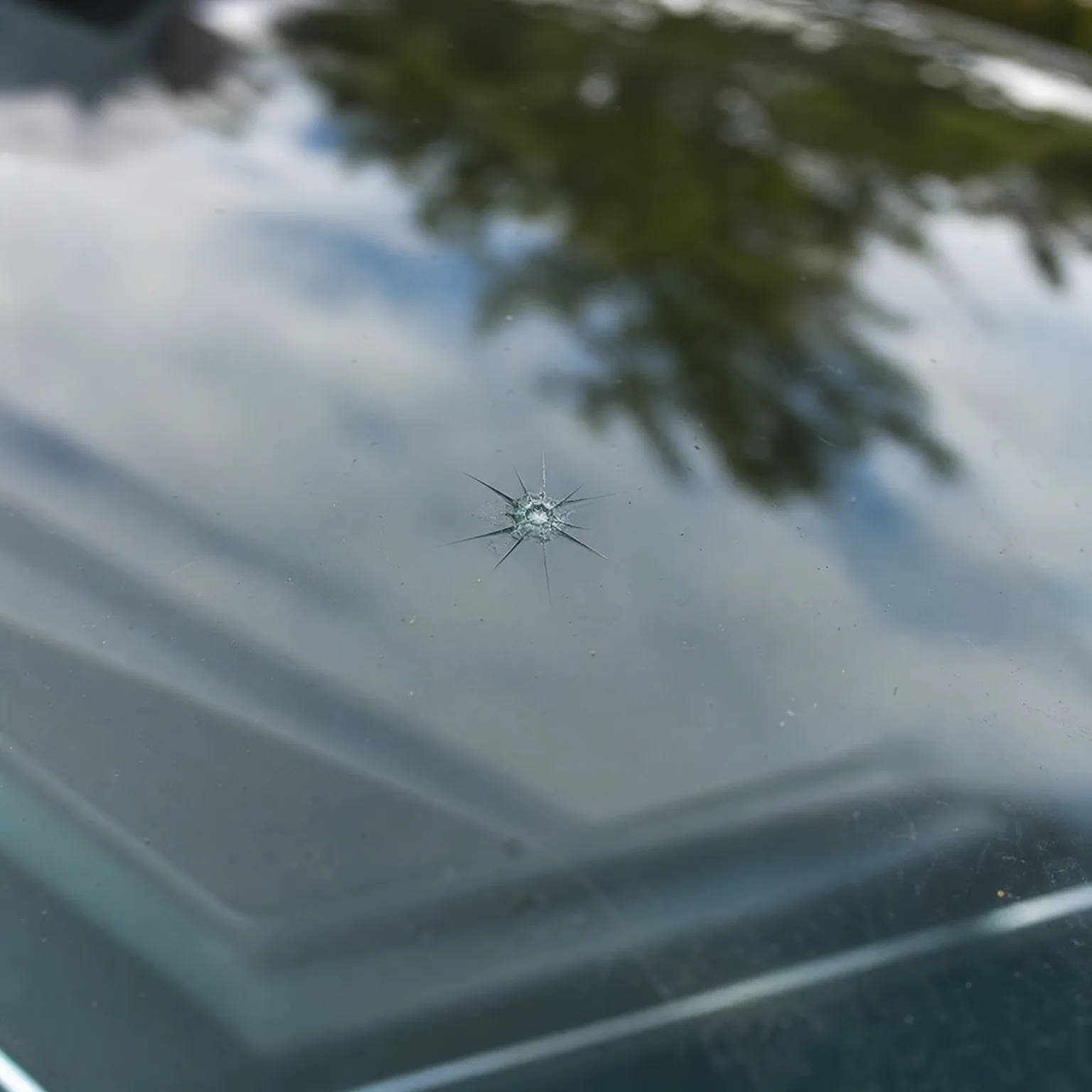
- How exposed the trip leaves it Open carriers expose vehicles to rock chips, weather and road grime the whole trip. If the car already has a flawless finish, that risk matters more.
- Where and when it's moving Long routes, bad weather seasons, or roads under construction raise the odds of minor damage. Check the route and season before deciding.
- Whether originality matters A modified, classic or collector car loses value from even small cosmetic damage in a way an ordinary car doesn't. Ask the carrier how they secure and separate vehicles inside.
- What's actually covered Carrier insurance and your own policy may both apply, but limits and deductibles vary. Get the carrier's coverage in writing before you book.
Does enclosed transport actually prevent damage, or just cover it better?
Enclosed transport mostly prevents damage rather than just covering it after the fact. The car rides shielded from rain, road salt, debris and sun, so the kinds of harm open transport allows simply don't reach it in the first place. That's different from insurance, which pays you back after something goes wrong but doesn't stop it from happening.
That said, enclosed transport isn't a guarantee. Accidents during loading, mechanical failure, or a carrier's poor handling can still cause damage regardless of whether the truck is open or closed. The enclosure protects against environmental exposure specifically, not against every possible mishap.
So the real question isn't whether enclosed transport prevents all risk. It's whether the risks it does prevent are the ones that would actually cost you something with your particular car.

Choosing enclosed over open transport
If you do
Your car arrives shielded from weather, debris and road grime, with less handling and more consistent carriers. You pay more for the trip. For a high value, modified, or collector vehicle, this upfront cost usually ends up smaller than the repair or value loss it prevents.
If you don't
You pay less and still have access to more carriers, since open transport is more common and widely available. Your car faces normal exposure to weather and debris along the route, which is a real but usually minor risk for an ordinary daily driver.
Once you know which transport method fits your car, compare quotes to see what the actual price difference looks like.
Moving a car across the country for a new job
Someone relocating for work needed to ship a daily driver, a few years old with no major value beyond its resale price, across several states. They got quotes for both open and enclosed transport and saw a real gap between them. The car wasn't rare or especially valuable, and a little road grime or a minor chip wouldn't change much about what it was worth or how it drove.
They chose open transport. The savings went toward other moving costs, and the car arrived with some dust and a small chip in the paint, nothing that affected its value or function. Had this been a specialty vehicle, something recently restored or carrying sentimental or collector value, the calculation would have gone the other way, since even small cosmetic damage would have mattered more than the money saved. The lesson they took wasn't about transport method in general, but about matching the choice to what the specific car could actually lose.
Why the value of the car decides the answer
Enclosed transport exists to prevent a specific kind of risk, the kind that comes from being exposed to weather and road conditions over a long haul. That risk is real on any open carrier trip, but what it costs you depends entirely on what's riding on the truck. A scratch on a car worth a modest amount is an inconvenience. The same scratch on a rare or recently restored vehicle can mean a real loss in value, not just a cosmetic one.
This is why there's no universal answer. The physics of the risk doesn't change between vehicles, but the financial exposure does. Someone shipping an ordinary used car is weighing a small cost difference against a small and usually cosmetic risk. Someone shipping a collector car, an exotic, or anything recently painted or restored is weighing that same cost difference against a risk that could meaningfully affect what the car is worth.
Carrier insurance complicates this further, and it varies by company rather than by any universal rule. Some carriers offer coverage that makes open transport nearly as safe financially as enclosed, since you'd be compensated for damage either way. Others offer thin coverage with low limits, which shifts more of the real risk onto you regardless of which transport type you choose. This is something to check directly with any carrier you're considering, since it changes the math more than the open versus enclosed choice does on its own.
The cases where the answer flips are usually about what you can't easily replace. Money covers a repair, but it doesn't fully restore originality, provenance, or the kind of condition that affects resale value for a specialty vehicle. For everything else, the question is really just arithmetic, comparing what enclosed transport costs against what the risk it prevents would actually cost you if it happened.