Can I Show My Proof of Insurance on My Phone
In most states a digital insurance card works like paper, but confirm your new state and insurer both accept it.
What to confirm before you rely on your phone
- Check your new state's rule Most states accept electronic proof, but not all treat it the same way after an out-of-state move. Look up your new state's specific requirement before you need it.
- Get the app or PDF ready Your insurer's app or emailed PDF usually counts as valid proof. Download it now and make sure it opens without needing a signal or login.
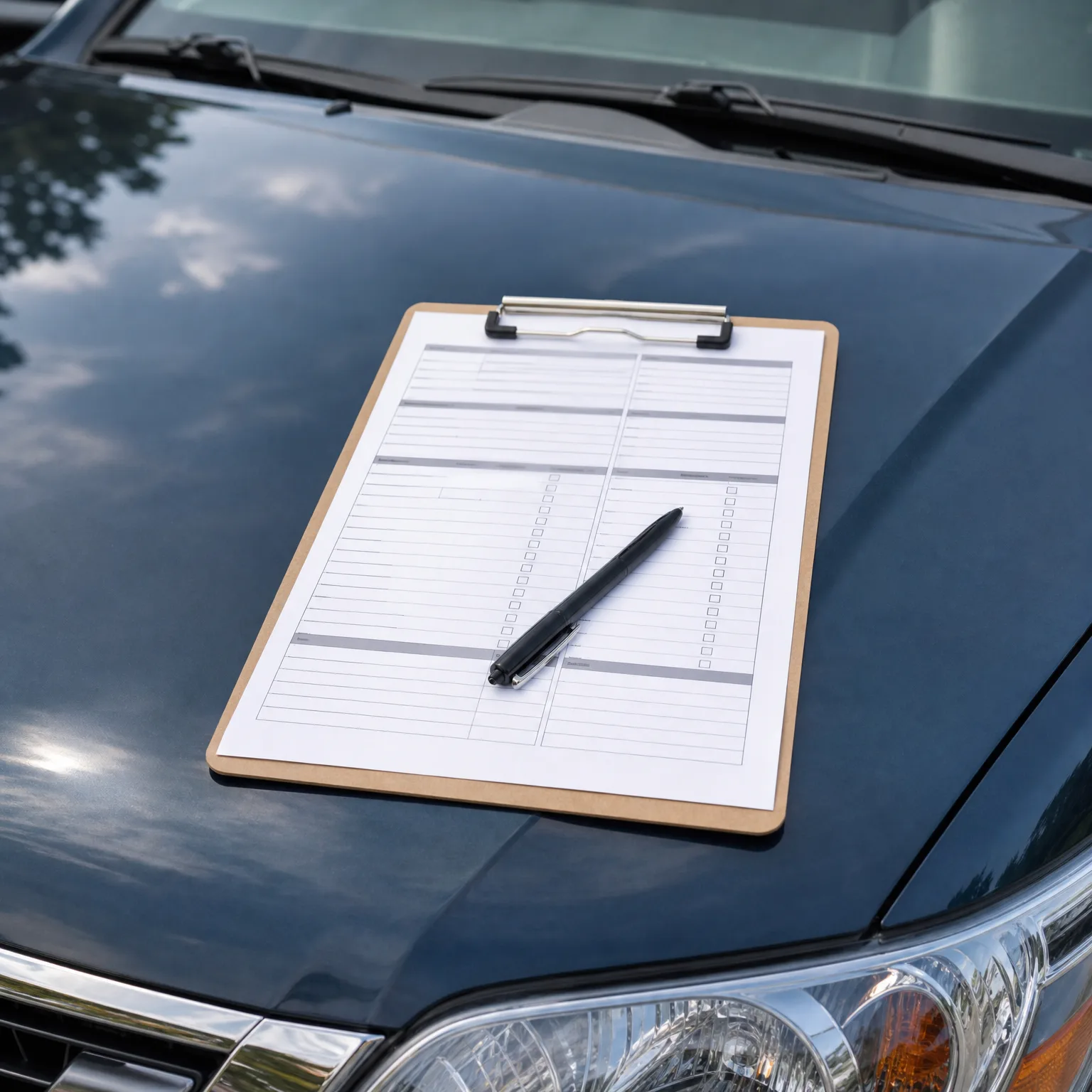
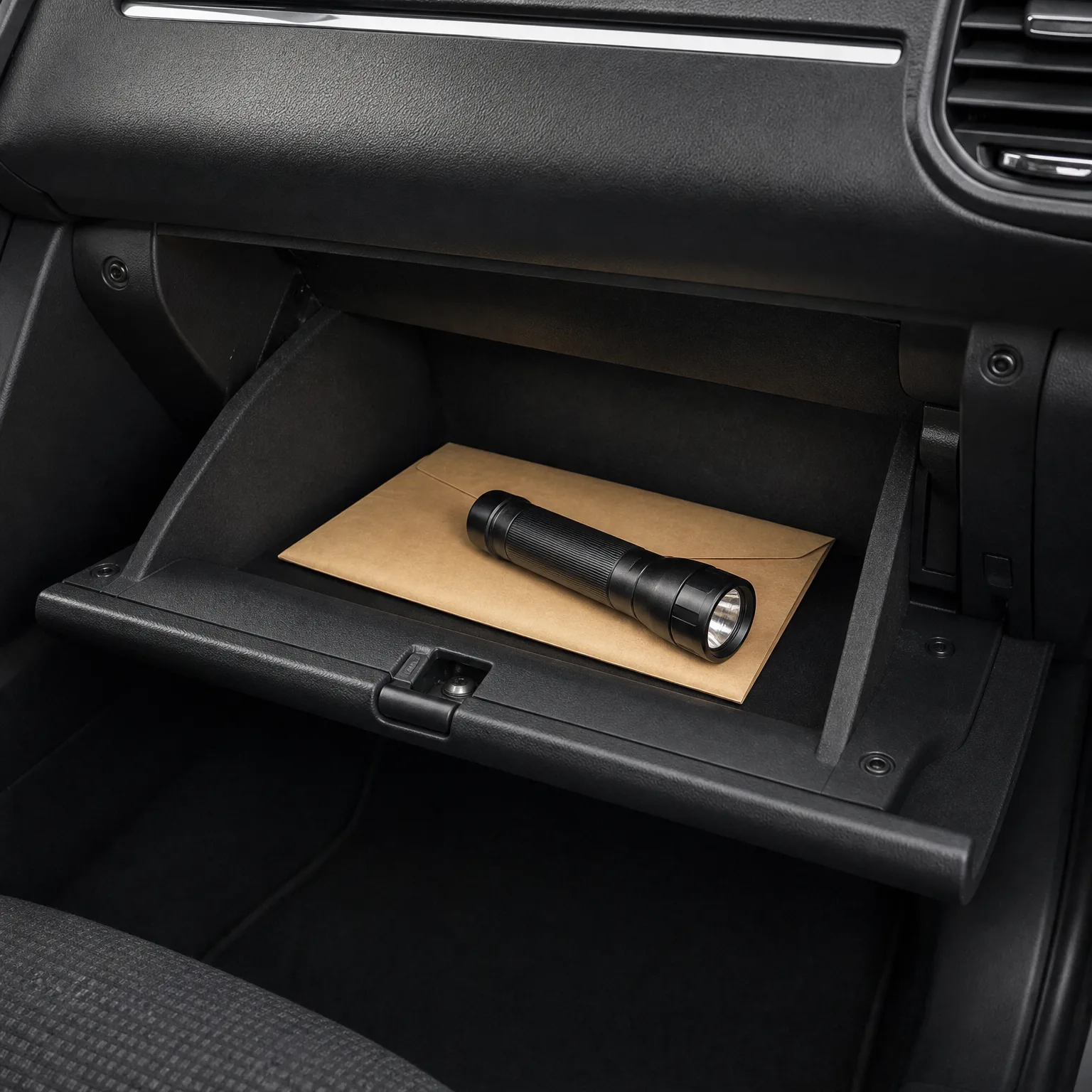
- Keep a paper copy too A dead phone or a cracked screen won't impress an officer during a stop. Print or save a paper copy in your glovebox as a backup.
- Update it after switching An old digital card becomes useless the moment your coverage changes. Replace it in the app right after your new policy starts, not days later.
- Know what a dead phone means In some states, a phone that won't turn on is treated the same as having no proof at all. Ask your insurer or state DMV how they handle it.
What happens if my phone dies during a traffic stop?
In most places, an officer will ask for proof of insurance and a dead phone means you can't produce it in that moment. Some states allow you a short window to show it later, maybe at a police station or by mail, while others may cite you on the spot and let you contest it afterward with proof that the policy was active.
This is exactly why a paper backup matters, especially right after a move when you're not yet sure how your new state handles this. Keep a printed copy in the car until you've confirmed the rule where you live now. It costs you nothing and removes the risk entirely.
Check with your state's DMV or your insurer's support line if you want the exact policy for where you live, since it does vary and guessing wrong is the expensive way to find out.

The real risk isn't the rule, it's a dead phone with no backup, so treat paper as the failsafe.
Once you know how you'll prove coverage, compare quotes so your new policy is locked in and ready to show.
A phone that died at the worst possible moment
Someone who'd just moved across state lines got pulled over for a broken taillight two weeks after arriving. They pulled up their insurance app like they always had back home, except the new state trooper wasn't familiar with that particular app's layout and asked for more detail than the screen showed. Then, mid-conversation, the phone died.
With no paper copy in the car, they had to follow up with the department directly, emailing a screenshot of the policy later to clear the citation. It worked out, but it took an extra week and a phone call they didn't need to make. After that, they kept a printed card in the glovebox and updated it every time the policy changed, which made the next encounter take about thirty seconds.
Why digital proof works but isn't bulletproof
Insurance requirements exist so that if you cause an accident, there's a way to confirm you can cover the other person's costs. A phone screen showing your policy does that job just as well as paper, which is why most states eventually caught up and started accepting it. The method doesn't change what the law is actually checking for, which is whether coverage exists right now.
What varies is how officers and systems are set up to verify it. Some departments have scanners or lookup tools that confirm a policy instantly, others rely on you simply showing the screen and trusting the insurer's name and policy number. This is also where state lines matter most for you right now, since the app or document format your old insurer used may look different once you switch to a new one.
The cases where it falls apart are mechanical, not legal. A dead battery, no signal, a cracked screen you can't read, these aren't insurance problems, they're phone problems, but they get treated as if you have no proof at all. That gap is exactly what a paper copy is for, and it costs nothing to keep one.
If you're not sure how your new state verifies coverage, a quick call to the DMV or your insurer will tell you. It's a small thing to confirm, but it's the kind of detail that's annoying to sort out only after you're standing on the side of the road.